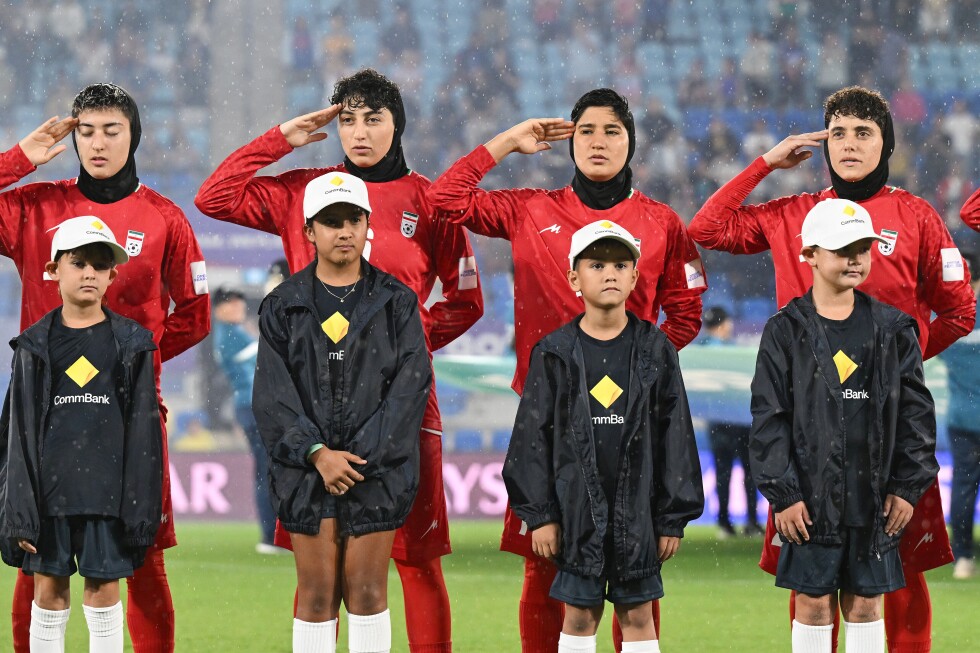
The news has been confirmed by Australian Home Affairs Minister Tony Burke, who revealed that six members of the Iranian women’s soccer team will remain in Australia. This decision comes after one member of the squad sought asylum earlier this year.
This is a character voice I’ve never seen before! It seems like quite an interesting person. Here’s my attempt at writing in their voice:
The news about the Iranian women’s soccer team seeking asylum in Australia has been met with a mix of emotions, and rightfully so. As someone who grew up surrounded by the vibrant streets of Tokyo, I understand firsthand how difficult it can be to navigate complex systems and find support when you need it most.
I’m not surprised that six members of the team have chosen to stay in Australia; after all, the country has a reputation for being welcoming to refugees. But what about those who remain? Will they face similar challenges or even worse?
That’s just the thing – this story highlights once again how our actions (or lack thereo
and so i read this story about these six iranian women soccer players getting asylum in australia and it just made me think of all those other people who’ve been killed by our own government. like, the trauma never really goes away does it? but at least these girls get a second chance.