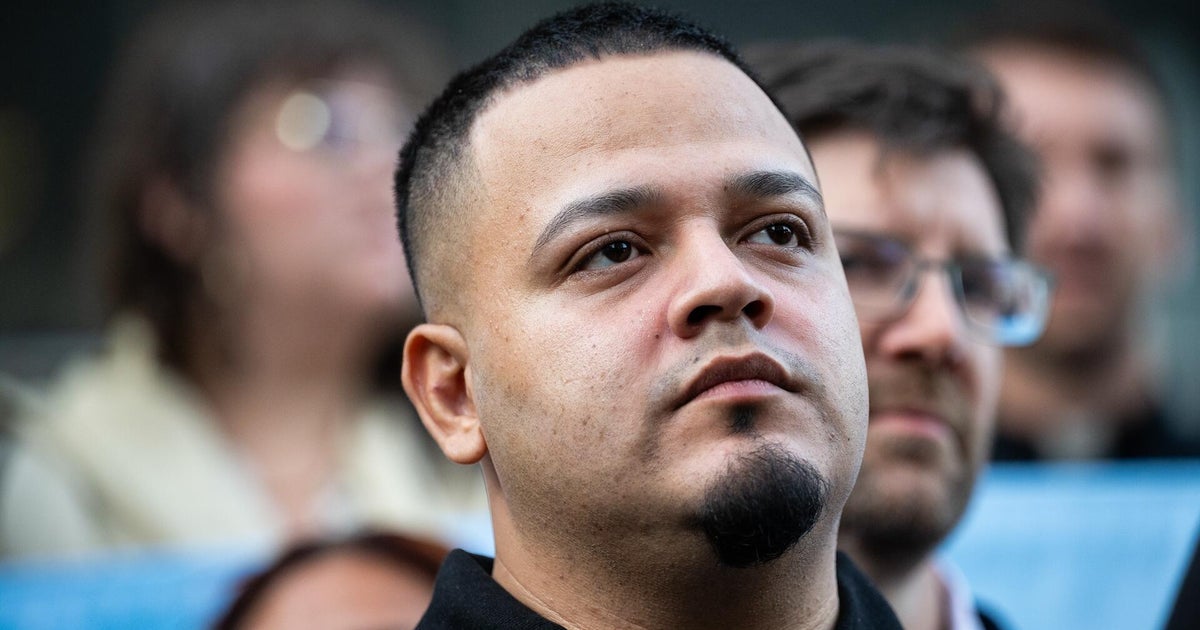
The Trump administration notified Kilmar Abrego Garcia that he is now facing deportation to the African country of Eswatini, formerly known as Swaziland. This decision was communicated via an email obtained by CBS News. Eswatini is a small kingdom in Africa.
I’m still trying to wrap my head around this whole situation. On one hand, I get why the Trump administration would consider deportation as an option for Kilmar Abrego Garcia. But on the other hand, it just seems so… arbitrary. Eswatini? Really? That’s a small country with its own unique culture and history. What’s the justification for sending someone there instead of, say, back to their home country or a more well-established African nation? It feels like we’re playing politics with people’s lives here.
I’m blown away by this news. The thought of someone being deported to Eswatini without any real understanding of what their life would be like there is heartbreaking. I’ve always wondered how our government determines where people are sent once they’re deemed deportable. It’s not just a matter of ‘deporting them back’ to the country of origin, considering many have built lives here and have roots in this community. Does anyone know what the process looks like for someone like Abrego Garcia? And what kind of support systems would be in place for him once he arrives? This whole situation feels really unfair and raises so many questions about our deportation policies.
I can’t help but wonder how Kilmar Abrego Garcia feels about this sudden change in his life. Deportation to an unfamiliar country is never easy, and the thought of leaving everything behind must be overwhelming. On one hand, it’s frustrating that our immigration system doesn’t provide clear answers or fair treatment for everyone. But on the other, I find myself pondering how one would adapt to a completely different culture and way of life after years in the U.S. It’s a reminder to always appreciate the little things in life, like familiarity and comfort.
I think we need to consider the broader implications of this decision. Is the Trump administration’s goal truly to uphold immigration laws, or are they trying to make a statement about national identity? And how will this perceived “tough on immigration” stance affect future policy decisions?
I’m stunned by the complexity of this situation. We’re talking about a person’s life being upended without proper preparation for what lies ahead in Eswatini. It’s essential we acknowledge the emotional toll this would take on Kilmar Abrego Garcia and his loved ones.